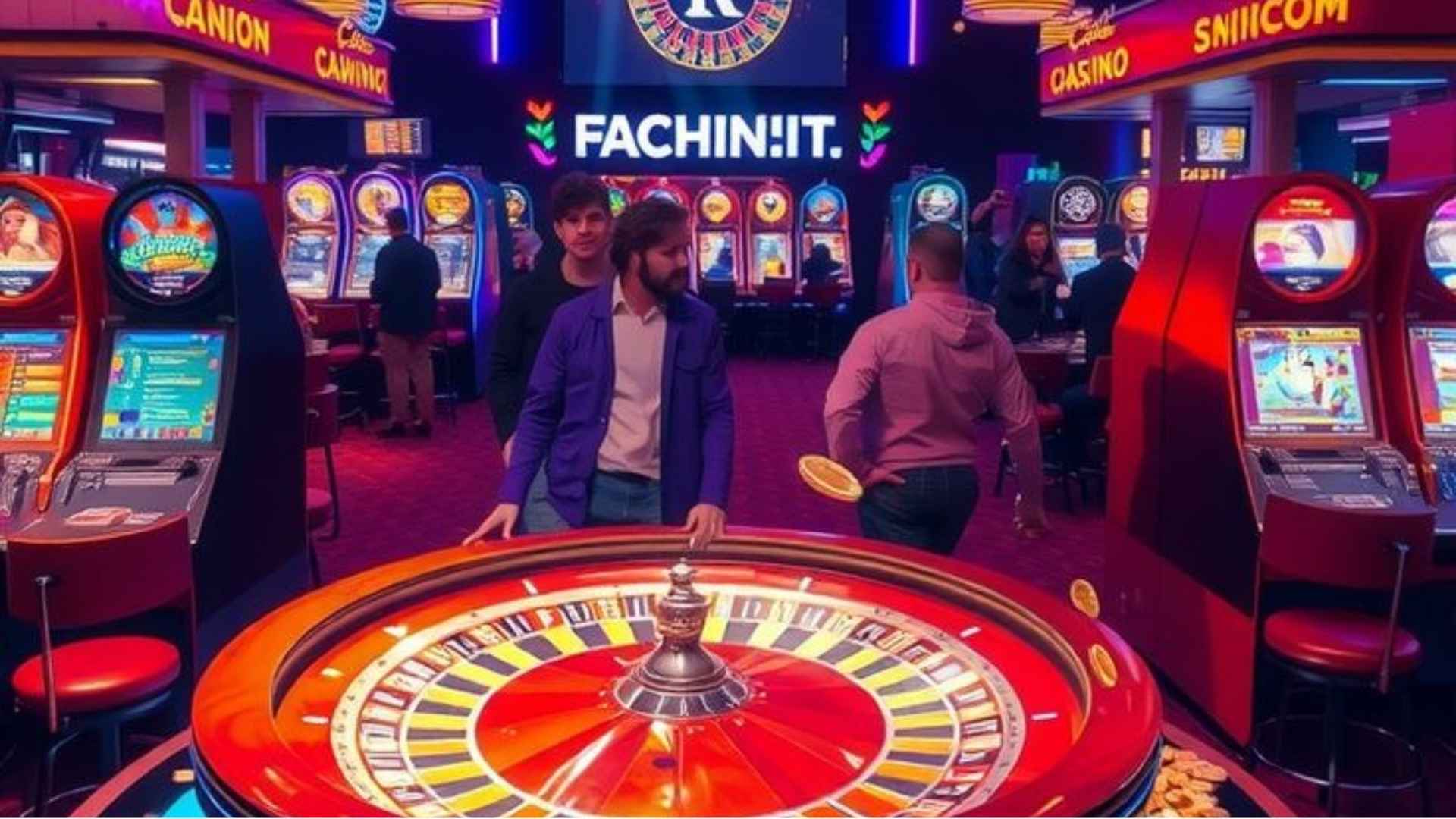
In the world of random selection and digital gaming, the visual representation of a spinning wheel does far more than just calculate an outcome. Players frequently develop strong preferences for specific wheel layouts, color schemes, and rotation styles. This emotional connection transforms a simple decision tool into a memorable visual experience that keeps users returning to their favorite interfaces.
The Power of Visual Familiarity and Aesthetics
Humans naturally seek comfort in familiar visual patterns, and game design takes full advantage of this psychological trait. A well-crafted wheel layout utilizes balanced colors, clear segment boundaries, and fluid movement that feels satisfying to watch. When a player finds a design that aligns with their personal taste, it creates a sense of reliability and aesthetic pleasure during every interaction.
Furthermore, distinct themes help set a specific mood for the user experience. Whether it is a sleek modern look or a vibrant carnival motif, the visual presentation shapes how players perceive the fairness and excitement of the spin. Over time, these visual cues build a recognizable identity that players grow attached to.
Audio-Visual Feedback and Player Comfort
The subtle feedback mechanisms built into a wheel design play a crucial role in building player attachment. Sound effects, such as the rhythmic clicking of a pointer or the gradual slowing down of the spin, heighten the sense of anticipation. When these sensory elements combine seamlessly with the visuals, the overall interaction becomes deeply immersive.
Many online platforms refine these mechanics to ensure users enjoy a smooth experience every time they log in. Gamers looking for engaging digital features often access their accounts via m88 slot login to explore various interactive games. This level of polish helps foster long-term loyalty toward specific digital platforms.
Psychological Ownership Through Personalization
When players are given options to customize or choose their preferred wheel themes, it creates a feeling of psychological ownership. Selecting custom colors, sound effects, or segment labels makes the tool feel uniquely tailored to the individual. This active participation strengthens the emotional bond between the user and the interface.
Personalization also reduces the feeling of monotony during repeated spins. Having control over the aesthetic setup allows players to refresh their experience while maintaining the core functionality they trust. Consequently, custom wheel designs often become a favored choice for routine decision-making.
Memorable Moments and Positive Association
Emotional attachment often stems from past positive outcomes associated with a particular wheel layout. If a user experiences an exciting win or a fun moment on a specific interface, they naturally link that success to the design itself. This mental association turns the visual layout into a symbol of good luck and enjoyment.
Ultimately, player attachment to specific wheel designs is a blend of artistic presentation, sensory feedback, and personal history. As digital interfaces continue to evolve, thoughtful design will remain the foundation for creating engaging and trusted gaming experiences.