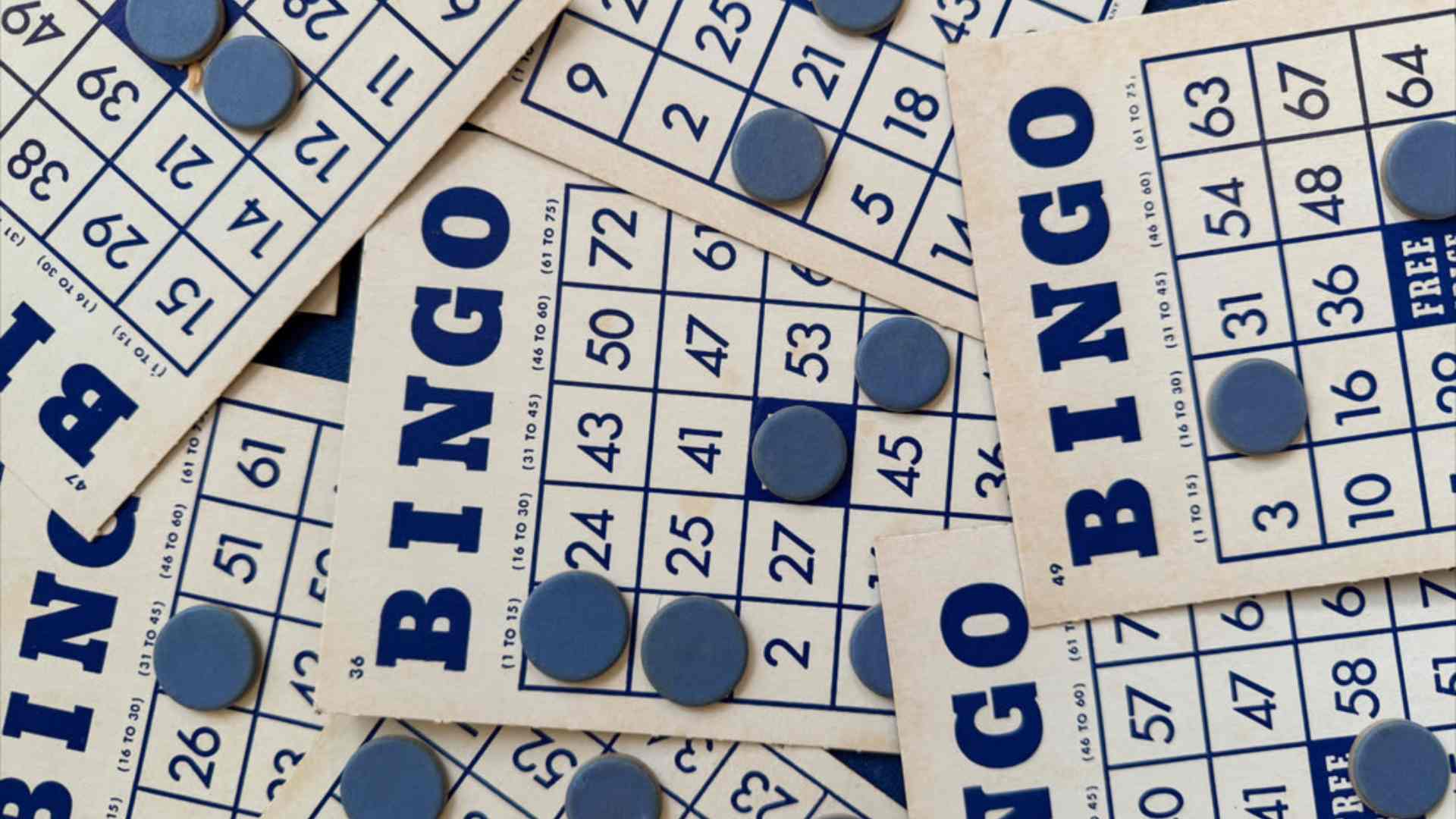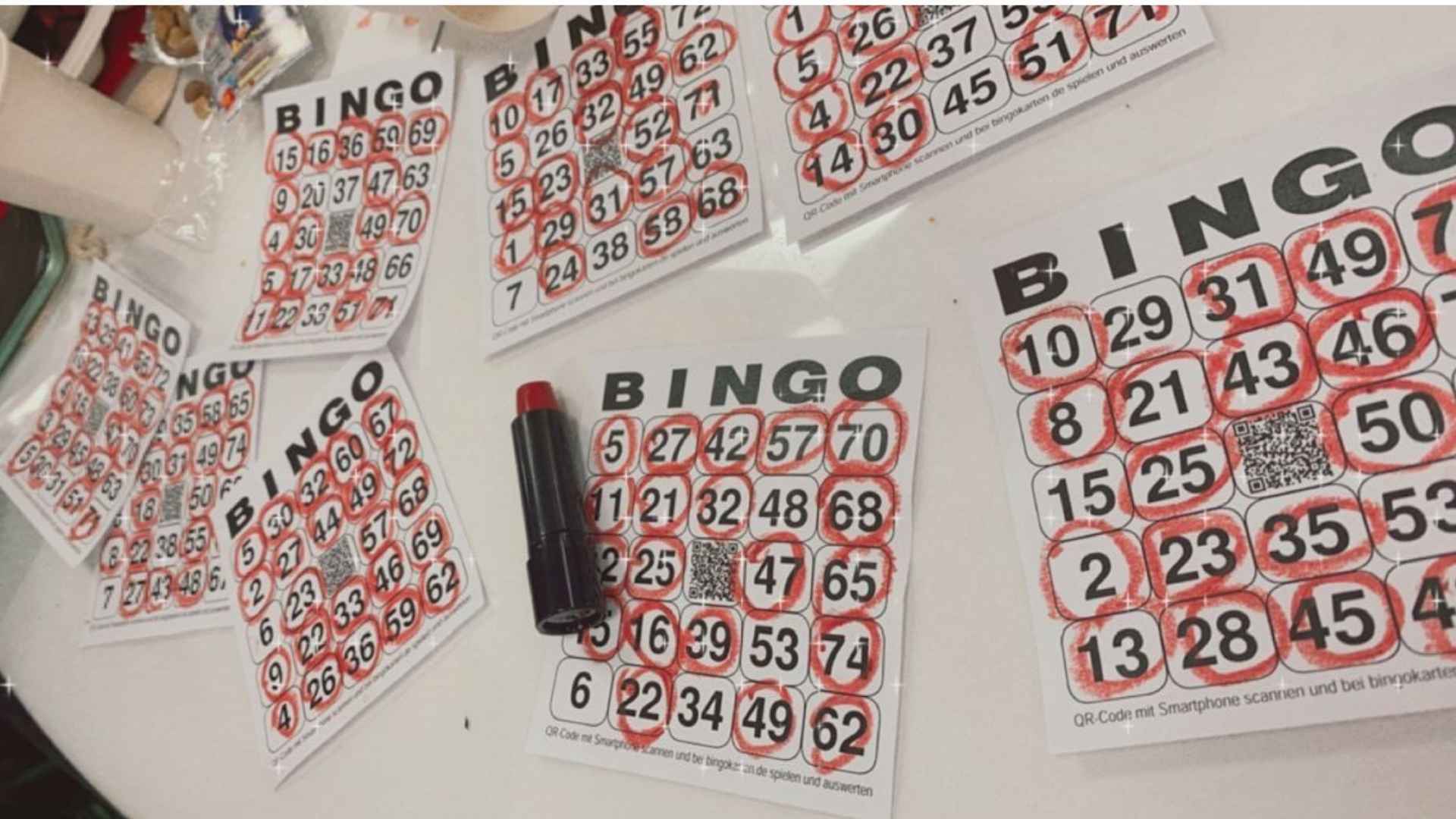
The global fascination with number games spans generations, growing from traditional paper-based puzzles into dynamic digital experiences. Today, millions of people worldwide log in daily to challenge their analytical faculties and find a moment of constructive leisure. This enduring appeal is driven by a unique blend of neurological satisfaction, simple rules, and the innate human desire to solve structured problems.
The Psychology of Numerical Satisfaction
Human brains are naturally hardwired to recognize repeating patterns and seek order within complex structures. When an individual solves a numerical puzzle, the brain releases a small burst of dopamine that creates a genuine sense of personal achievement. This psychological reward system turns basic math operations into a highly engaging activity that players actively seek out during their free time.
Furthermore, these challenges offer a comforting escape from the chaotic and unpredictable nature of modern everyday life. Within a grid or sequence, every problem has a singular logical solution that can be reached through patient deduction. This predictable structure helps reduce daily stress and anxiety levels by giving the mind a clear, achievable objective to focus on.
Low Barriers to Entry and Universal Design
One primary reason these puzzles retain such massive global popularity is their highly accessible design that requires no previous gaming experience. Anyone with a basic smartphone can instantly participate in a quick mental exercise during their daily commute or routine afternoon break. The fundamental mechanics rely on universal concepts like basic counting or simple arithmetic that transcend cultural and language barriers.
As digital ecosystems expand, finding high-quality platforms to enjoy these activities has become easier than ever before. Enthusiasts often search for reliable portals to access their favorite mental challenges safely from any modern device. For instance, players looking for a trusted hub can check the login situs m88 to explore various interactive options that cater to diverse skill levels. This immediate availability ensures that the community continues to expand across different age groups around the globe.
Long Term Benefits for Cognitive Health
Regular engagement with number challenges does far more than just keep players entertained during moments of boredom. Scientific studies suggest that consistent mental training helps sharpen working memory, logical reasoning, and overall processing speeds. By actively exercising the brain's left hemisphere, individuals can maintain their cognitive agility and resilience as they grow older.
Unlike passive forms of digital entertainment, numerical puzzles demand active concentration and strategic decision-making. Players must calculate multiple potential outcomes and systematically eliminate incorrect options before making a final move. This continuous mental workout builds disciplined thinking habits that naturally transfer into better real-world problem-solving capabilities.
The Social Connection of Shared Puzzles
The modern era has transformed solitary numerical exercises into vibrant communal events that connect people across different continents. Daily browser-based math puzzles allow users to compare their scores and share successful strategies with friends on social media. This friendly competition adds an exciting collaborative layer that keeps the global community deeply engaged day after day.
Ultimately, the timeless combination of mental sharpening and social interaction guarantees that these exercises will remain popular for years to come. As developers introduce innovative variations and fresh gameplay mechanics, the audience continues to reach unprecedented heights. Number games have firmly established themselves as a permanent fixture of modern intellectual entertainment.